In today's software development landscape, Docker has established itself as the industry standard for packaging, deploying, and running applications in isolated environments known as containers. From individual developers building side projects to organizations managing complex microservices architectures, Docker has transformed the way applications are developed and delivered. Its ability to provide consistency across different environments has made it an indispensable tool for modern software engineering. As a result, understanding Docker has become a valuable skill for developers, DevOps engineers, and system administrators alike.
At its foundation, Docker leverages powerful Linux kernel features such as namespaces and control groups (cgroups) to create isolated environments called containers. These containers allow applications to run independently while sharing the host operating system's kernel. Unlike traditional virtual machines, which require a complete guest operating system, containers are lightweight and consume significantly fewer resources. This architectural difference enables applications to start in seconds, making Docker highly efficient for development, testing, and production environments.
One of Docker's greatest advantages is its ability to eliminate the classic "it works on my machine" problem. By packaging applications along with their dependencies, libraries, and configurations into portable images, Docker ensures that software behaves consistently regardless of where it is deployed. Whether the application is running on a developer's laptop, a staging server, or a cloud platform, the environment remains identical. This consistency simplifies collaboration among development teams and greatly reduces deployment-related issues.
The journey into Docker typically begins with understanding the Dockerfile. A Dockerfile is a simple text file that contains instructions for building a Docker image. Developers use it to define everything required for their application, including the base operating system image, software dependencies, configuration settings, and application files. For example, a Laravel application Dockerfile might start with an official PHP image, install necessary extensions and Composer dependencies, copy the application source code, and configure the web server. Once built, the resulting image can be distributed and executed consistently across multiple environments.
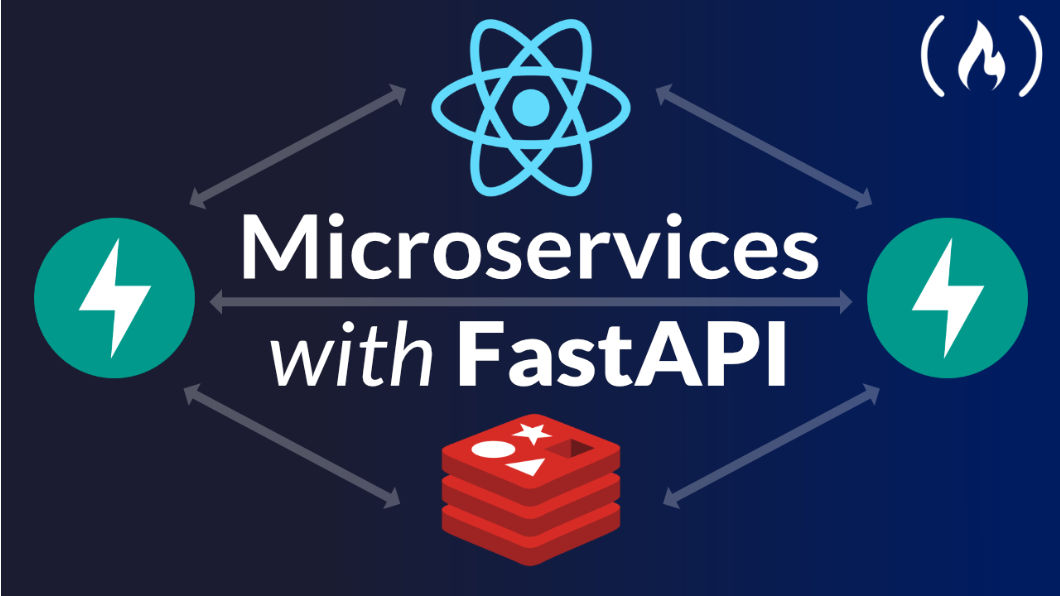
As applications become more sophisticated, they often require multiple services working together. This is where Docker Compose becomes particularly valuable. Docker Compose allows developers to define and manage multi-container applications using a single YAML configuration file. Instead of manually launching each component, developers can describe the entire application stack in one place. A typical web application may include separate containers for PHP-FPM, Nginx, MySQL, Redis, and queue workers. With a single command, docker compose up, Docker Compose automatically creates and starts all the required services, simplifying both development and deployment workflows.
Docker also plays a significant role in modern DevOps practices and continuous integration/continuous deployment (CI/CD) pipelines. Automated testing, staging environments, and production deployments can all benefit from Docker's portability and reliability. Popular orchestration platforms such as Kubernetes build upon Docker's containerization principles to manage large-scale applications across clusters of servers. This makes Docker not only useful for individual developers but also essential for organizations seeking scalable and resilient infrastructure.
Another major benefit of Docker is improved resource efficiency. Since containers share the host operating system kernel, they require far less memory and storage than traditional virtual machines. This efficiency allows organizations to maximize hardware utilization while reducing infrastructure costs. Additionally, containers can be easily replicated and scaled horizontally, enabling applications to handle increased traffic and workloads with minimal effort.
Security and maintainability are also enhanced through containerization. Docker encourages developers to follow best practices by creating isolated environments with clearly defined dependencies. This isolation helps minimize conflicts between applications and simplifies upgrades and maintenance. Furthermore, Docker images can be versioned and stored in registries, allowing teams to track changes and roll back to previous versions whenever necessary.
As cloud-native development continues to evolve, Docker remains one of the most important technologies in the software industry. Its simplicity, portability, and efficiency have made it the preferred solution for building and deploying modern applications. Whether you are developing a simple personal project, deploying a Laravel application, or managing enterprise-scale microservices, learning Docker will provide a strong foundation for building reliable and scalable software systems. For developers looking to stay competitive in an increasingly container-driven world, mastering Docker is no longer optional—it is an essential part of the modern development toolkit.